



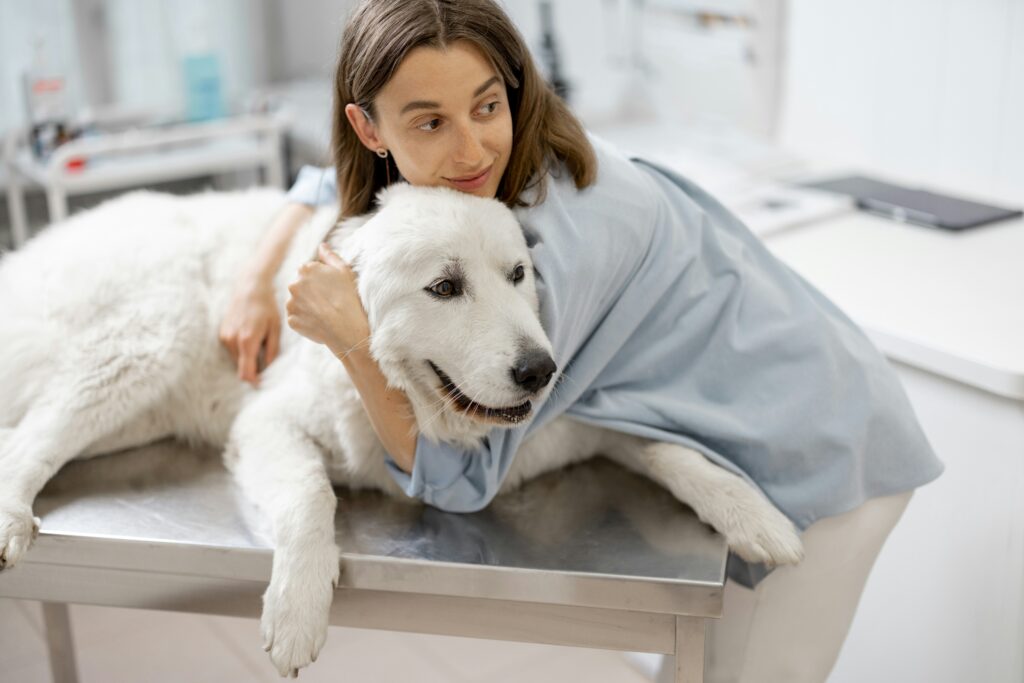
In recalling how he discovered the pet-tech industry in 2022, a Tel Aviv-based investor noted he initially thought it was a niche segment. Eli Hasson, however, was astonished to find a global opportunity.
“This is not a niche market. This is a $90 billion a year industry between North American and Europe and technology has barely touched it,” the investor has noted. Upon the promise, Hasson set up a corporate venture unit focused entirely on per care.
Hasson isn’t alone. In fact, the numbers that surprised him years ago are getting harder to ignore every year.
Europe’s pet food sector alone pulled €29.2 billion in annual sales last year, representing a 9% year-over-year growth, with over 400 companies and 500 production facilities scattered from Lisbon to Helsinki.
And, with projections putting the pet-related economy at €152.5 billion by 2030, this traditionally-niche regional economy is now commanding the kind of capital attention once reserved for human health and wellness industries; pet food, tech, insurance, and longevity are thus emerging as parallel ecosystems with the same structural logic and urgency as those legacy ones.
Preventive insurance and AI-augmented super-apps: the new product wave
Lassie, a Stockholm-based pet insurer startup, closed a €75 million Series C round in February 2026 – one of the largest European insurtech rounds in the past year. Beyond raising the funds, the startup has also emerged as an example of how European pet-tech is earning investors’ trust by shipping products that didn’t exist three years ago.
The startup built an AI-powered engine that processes 60% of claims from start to end in just six minutes, doubling as a preventative health platform where owners track activity and behavior to earn lower premiums – while keeping their pets healthy.
Europe’s pet tech market is projected to grow at 20.7% compound annual rate through 2034, while the smart devices segment alone is forecasted to expand from €1.03 billion to €4.71 billion over the next decade – with Germany leading adoption.
What innovations, investors, and ambitious startup founders represent is the direction of travel: pet tech is moving from novelty gadgets to clinical-grade infrastructure, generating data with real value to stakeholders across the board.
Regulation as market signal
The regulatory environment is not staying behind, either. In 2023, five EU agencies launched a joint One Health Task Force, formally connecting animal health to human and environmental health policy.
The Commission’s logic is more concrete: over 60% of emerging infectious diseases start in animal populations. Under that framing, pet wellness stops being a consumer category and becomes a public health question.
Meanwhile, new organic pet food labelling rules tie the sector directly to Green Deal targets. The Packaging and Packaging Waste Regulation, taking effect in August 2026, for example, will require recyclable design and content across pet food supply chains.
For incumbents with established manufacturing infrastructure, retroactive compliance is expensive. But, for a startup that has built sustainability into its core from day one, every new threshold is a barrier that close competitors must clear.
The wellness-petcare industry parallel, then, is not just cocktail-party talk among venture capitalists, angel investors and innovators. It is shaping actual allocation decisions. With demographic data illustrating its real foundations, the rest of the ecosystem being built is drawing increasingly more capital.
Whether pet care follows the same trajectory as human wellness or carves its own, however, is the underlying wager.
A consumer base redefining the category
A decade ago, the human wellness market was where entrepreneurs and investors alike had to look: a large and addressable population, rising consumer spend, a fragmented supply side, and no dominant platform. Now, however, it seems pet care is tracing a similar arc – demographic data explains why.
The European Pet Food Industry Federation (FEDIAF) reported last year that 139 million European households own at least one pet – nearly half the households in the region. More poignantly, single-person households climbed from 32.8% in 2010 to a record 41.4% across Europe in 2024.
These trends intersect in ways that matter commercially: single-person pet owners spend 35% more per capita on animal care than multi-person homes, according to a 2026-2031 forecast. For many of these individuals, their spending habits reflect how their animal companion is the primary emotional relationship they have at home.
That dynamic surfaces clearly in purchasing behavior: pet nutraceuticals, including functional nutrition, supplements and preventative formulations, are growing at a compound annual rate of 7.63% within a market projected to reach €2.2 billion by 2030, as per a 2025 report.
What’s more: grain-free and hypoallergenic diets command prices up 40% above conventional options, and are gaining significant market share.
Such are not the purchasing patterns of a consumer under financial pressure; these are people who treat animal care as a health category – and investors are listening. The markets are, indeed, shifting.
For one, entrepreneur, investor and board member of the Esteé Lauder Companies Jane Lauder launched TAW Ventures in January 2025 seeking to advance pet health, wellness and longevity.
“I’ve seen firsthand the importance of science-backed research, clinical testing, and uncompromising quality. Growing up in a family company taught me that safety and efficacy cannot be compromised,” said Lauder.
In its first operating year, TAW partnered with Leap Venture Studio, the world’s first pet care startup accelerator, for the latter’s tenth edition of its Studio program for early-stage pet care startup founders.
The Lauder signal: when wellness capital rotates in
Few indicators of an industry’s maturation are as legible as the profiles of the people placing bets on it. With TAW Ventures and Leap Venture Studio’s program this year, the pet care accelerator – also backed by Mars Petcare and NGO Michelson Fund Animals – is accepting applications until March 29.
Lauder’s career pivot into wellness is far from a side project; she is applying the same standards around clinical testing, brand building and consumer insight that drove a beauty empress into pet longevity science.
UK-based startup Marleybones, for example, was accepted by Whole Foods UK, Waitrose and Co-op across the country, certified as plastic-neutral, and raised £2.5 million ($3.2 million USD) in a funding round in November last year – all after participating in Leap’s Cohort 6.
“My grandmother, Esteé Lauder, was a founder and entrepreneur, and she always said, ‘I didn’t get there by wishing for it, but by working for it.’ [Founders] Josephine Rode Bager and Mikala Alexandra Wilson Skov demonstrate that same hard work and determination every single day,” Lauder noted about the Marleybones team.
“As investors, we look for founders who pair purpose with disciplined execution.”
Since its founding in 2018, Leap has invested in 46 companies across 17 markets. TAW’s entry into its orbit is a strategic alignment between a fund with deep consumer health expertise and an accelerator with deal flow across a rapidly-scaling vertical.
And, when capital with that pedigree bets on pet health span, the signal is hard to dismiss.
Featured image: Getty Images via Unsplash+
Disclosure: This article mentions clients of an Espacio portfolio company.