


Communicating science has never been just about handing over information. At its core, it’s about turning complex ideas into something people can actually grasp, helping them make better decisions, and earning their trust along the way, one conversation at a time.
Now artificial intelligence is stepping into that process, and life sciences companies are scrambling, in the best sense of the word, to figure out new ways of working. But one question keeps coming up, and it’s not going away anytime soon: how do you move faster without losing the human judgment that good communication has always depended on?
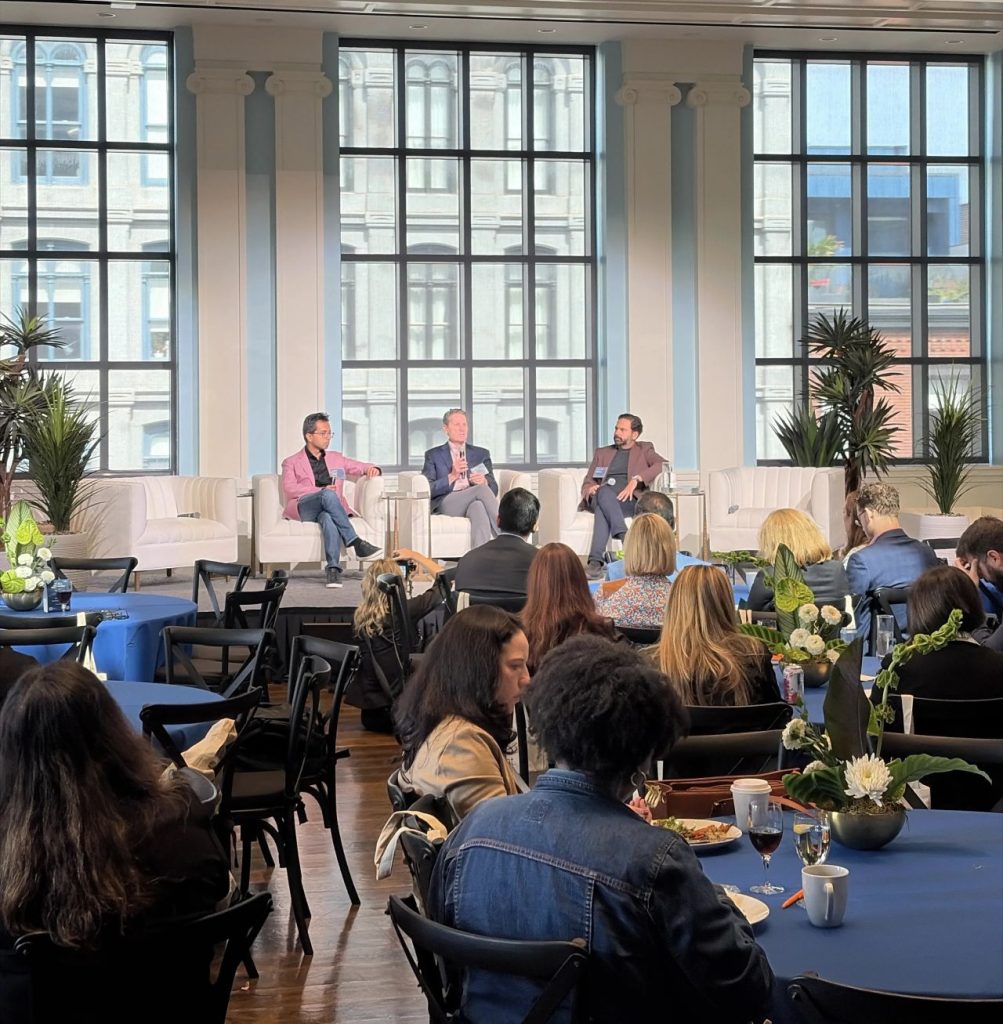
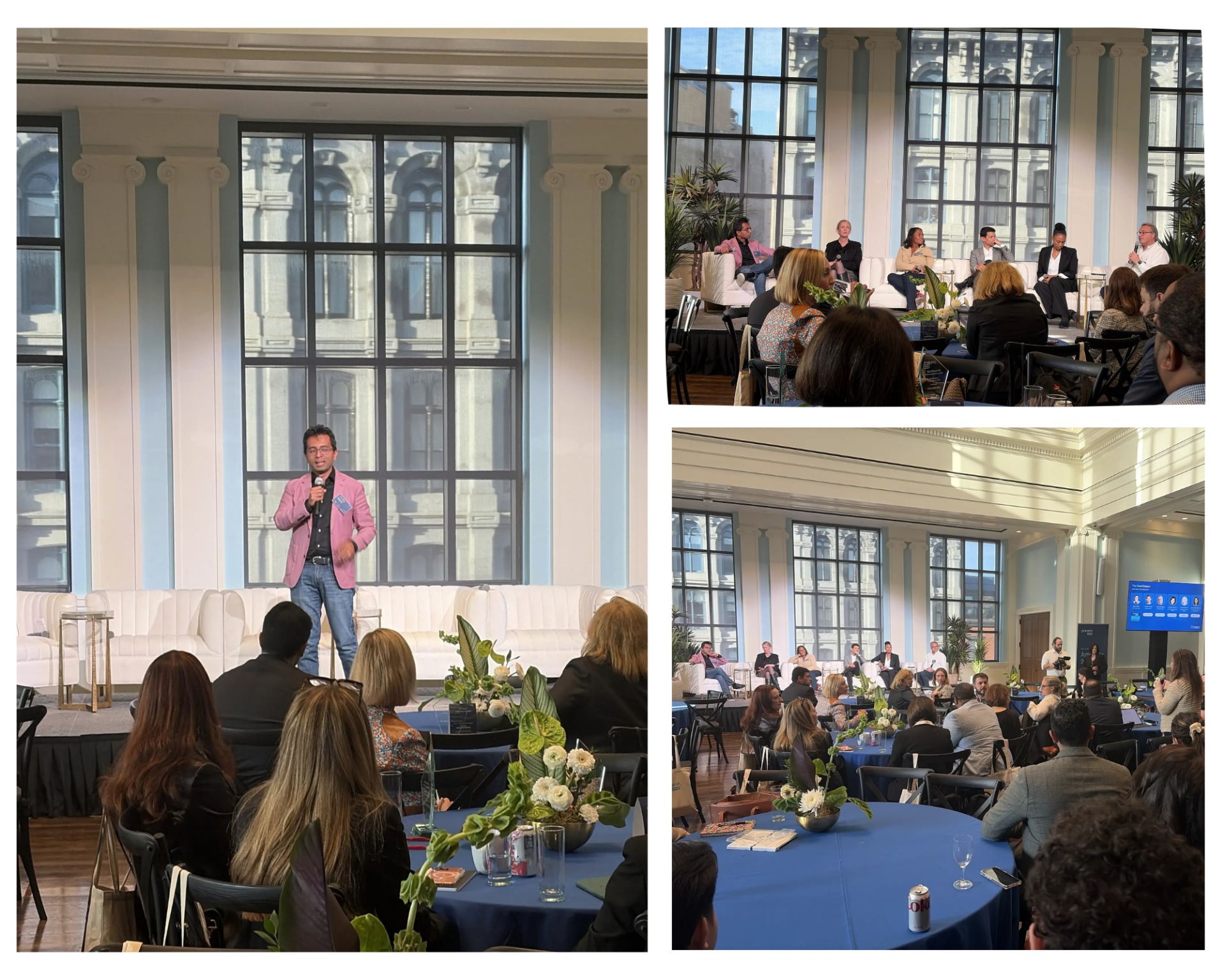
That question was at the heart of Articulate 2026. Held at the Museum of the American Revolution, the event brought together leaders from Medical Affairs, Commercial, Market Access, and Field Medical to discuss how AI is changing the way the industry communicates science.
One idea came up throughout the day. Technology can make the work faster, but people still need to understand the science, its context, and the responsibility that comes with communicating it.
From scientific data to decisions
The conversation began with a fundamental question. How does science move from data to decisions?
In “The Journey of an Idea,” Kristen Binaso, Zhen Su, Lauren Pattani, and Leah Williams explored how scientific information reaches the people who need to understand and act on it. Their discussion pointed to a challenge familiar across the industry. A breakthrough only makes an impact when its value can be communicated.
That question took on a new dimension in “From Quill to AI: The New Craft.” Julie Guery, Manish Tewani, and Vivek Mukhatayar examined how artificial intelligence is changing scientific communication. AI can help teams analyze and share information faster, but speed alone is not enough. Scientific rigor and human judgment remain central to the process.
Articulate also looked beyond the technology itself to consider what it takes to bring AI into an organization. In “Intelligence from the Other Side: What Biopharma Can Learn from Tech,” Rajat Mishra joined Steven Birdsall and Anupam Rastogi to discuss how technology companies have approached AI adoption, involved their teams, and measured its use in practice.
For biopharma, the challenge is to follow that path without compromising the trust and rigor on which the industry depends.
Turning resistance into progress
Adopting new technology is rarely just a technical decision. It also means changing established ways of working, and dealing with the resistance that comes with it.
That was the focus of “What History Teaches Us About Resistance,” where Kevin Kallmes, Aabhas Paliwal, Antti Kourula, and Anubhav Srivastava discussed how organizations can use resistance as an opportunity to improve the way they introduce new ideas.
The discussion became more practical in “Field Dispatches: Five Stories That Moved the Needle.” Industry professionals shared communication challenges their teams had faced, the actions they took, and what happened next. Rather than focusing only on AI’s potential, the session brought attention to the decisions and experiences involved in putting new approaches into practice.
The event then turned to a longer term question. What will life sciences communication look like in 2030?
During “The Next Chapter,” executives discussed where AI could make a difference, where human expertise would remain essential, and how companies could preserve scientific rigor as these tools become more integrated into their work.
For Rajat Mishra, CEO of Prezent Vivo, AI will become a standard part of the landscape. What matters will be how organizations build around it.
“By 2030, AI will be the baseline. The real differentiator will be the expertise, judgment, and trust built around it.
That’s the thinking behind the Prezent Vivo direction, an AI-Native Neo-Agency offering new content types and managed services.
That vision also points to Prezent Vivo’s evolving business model. The company is moving beyond presentations to develop AI powered capabilities for formats such as posters, literature reviews, brochures, diagrams, and video, alongside managed services.
The conversations at Articulate 2026 left little doubt about where things are headed. AI will keep getting faster, more capable, more embedded in the day-to-day work of life sciences communication. But speed was never really the hard part.
What the event made clear, again and again, is that the next chapter won’t be written by technology alone. It’ll be shaped by something harder to automate, the people who understand the science, the context behind it, and the weight of responsibility that comes with putting it into the world. AI can help organizations move faster. Whether they move well will still depend on the judgment of the people guiding it.