

Enterprise AI initiatives are exposing an issue that many organizations have been dealing with for years: the quality and structure of the data underneath their technology stack.
Legacy databases, fragmented pipelines and disconnected analytics environments can make it difficult for companies to provide AI systems with consistent and governed information. As organizations move from pilots to production, modernizing the data layer is increasingly becoming part of the AI roadmap itself.
Deloitte’s 2026 State of AI in the Enterprise report found that 42% of organizations now consider their AI strategy highly prepared for adoption, but infrastructure, data, risk and talent remain areas where companies feel less prepared. The report surveyed 3,235 senior leaders across 24 countries.
This is pushing data modernization beyond traditional warehouse upgrades. Companies are looking at unified platforms, real time intelligence, governance and architectures that can support both conventional analytics and newer AI workloads.
Best data modernization companies in Europe
Sonata Software approaches data modernization as part of a broader modernization engineering strategy. Its portfolio combines data platforms, cloud technologies, AI and analytics, with an emphasis on reducing data silos and creating environments that can support enterprise AI.
The company has extensive experience across the Microsoft data ecosystem and was an early Microsoft Fabric launch partner. Its work includes modernizing data platforms and migrating workloads toward Fabric and OneLake, creating a foundation for governed analytics and AI applications.
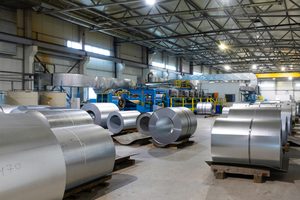
Sonata’s recent work also illustrates the connection between data modernization and measurable business outcomes. In a Microsoft case study, the company helped a global manufacturer consolidate data across business functions using Fabric and OneLake, with the project reducing reconciliation effort by 25–30% and accelerating access to actionable information.