



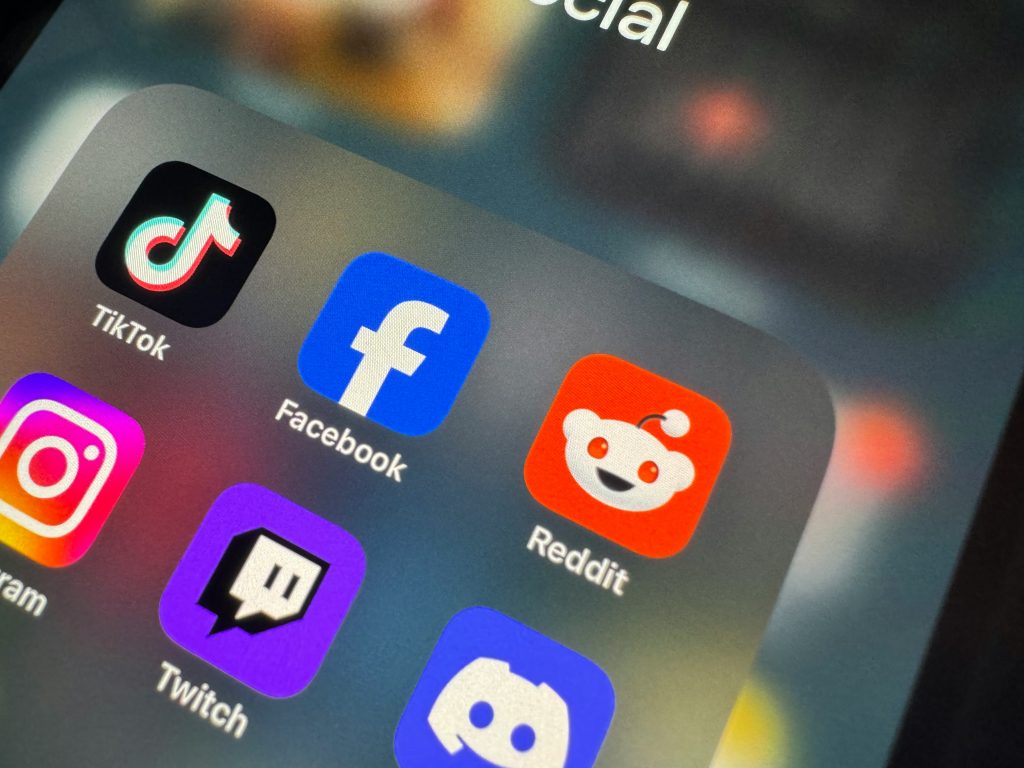
The UK government plans to block under-16s from major social media platforms starting spring 2027 in a move that targets Snapchat, TikTok, YouTube, Instagram, Facebook and X. It also brings a wider age-checking push that has already triggered privacy backlash.
The country’s plan would effectively raise social media access age from 13 to 16, although the new limit emerged from data privacy rules – not child safety law.
Currently platforms including Instagram, Snapchat, TikTok and Facebook impose 13 as the minimum age for their users. Others, including WhatsApp, already limit users to those over 16 – TikTok, Instagram and Snapchat are the most popular among teens, respectively.
The proposed ban would affect millions of young users across the UK. Ofcom data shows most 13 to 15-year-olds already have social media profiles, while many 10 to 12-year-olds also use these platforms despite current age limits.
The government says the change will create stronger online boundaries for children. It also seeks tougher controls on livestreaming and stranger contact; online services that integrate these would have an extra limit applied, allowing only those 17 and up to access them.
Ofcom faces pressure over age checks
Ofcom, the UK’s regulator for communications services, will lead work on the age assurance system needed for the ban. The regulator already oversees age checks under the Online Safety Act, which covers guardrails against pornography and other harmful online content.
Possible methods for implementation include facial age estimation and bank, credit card, and mobile network checks. Platforms may also use photo ID matching or digital identity wallets – but each method raises questions about privacy, storage and user data.
The UK may also consider device-level verification through operating systems, an approach which would place age checks on Apple, Android and other device systems – reducing direct pressure on individual app developers.
Privacy groups warn of wider online checks
Privacy campaigners argue the policy could affect adults, as well as children: broad age checks may make online access depend on identity proof, and users could face more requests for documents or biometric data.
Age checks, others argue, have already spread beyond their original scope. Some platforms for verification, which have already been introduced, check even when rules don’t clearly require them to, for which critics argue the UK risks normalizing online identity checks.
Data security remains another concern for the planned system. Age verification companies may process sensitive documents for larger platforms, and any weak storage process could expose users to leaks or misuse.
There is precedent to these concerns. In October 2025, hackers compromised 5CA, a third-party provider used by communications platform Discord, and stole over 70,000 government-issued IDs submitted for age verification.
Tech firms warn of access limits
Beyond the data concerns, large technology companies have warned that the ban could prevent teenagers from accessing useful information. They argue that young people leverage social platforms for news, learning, and community support.
Teenagers, in fact, report feeling more accepted (58%), supported (67%) and connected with friends (80%) through social media. And, among those who use social media for mental health information, 64% of girls and 60% of boys note it is important they continue accessing these tools.
However, Westminster says child safety needs stronger enforcement, and that it wants to avoid the problems seen in Australia – where many under-16 users reportedly found ways around the social media ban.
The UK has also proposed tighter rules for AI companion services, whereby romantic companion chatbots would be banned for users under 18. Similar intimate functions would also face limits on general AI chatbot services.
Although the rules’ enforcement is set to begin in 2027, the system will depend on an Ofcom study and enforced design. The debate now centers on whether the UK can protect children without expanding digital surveillance.
Featured image: Ralph Olazo via Unsplash+