

Why Africa’s expensive money transfer system is creating an opening for stablecoins
Sending money across borders remains an expensive process for millions of people in Sub-Saharan Africa. Traditional remittance channels charge around 9% to transfer $200 to the region, compared with a global average of 6%, according to World Bank data cited by the IMF. That gap is creating room for alternative financial infrastructure.
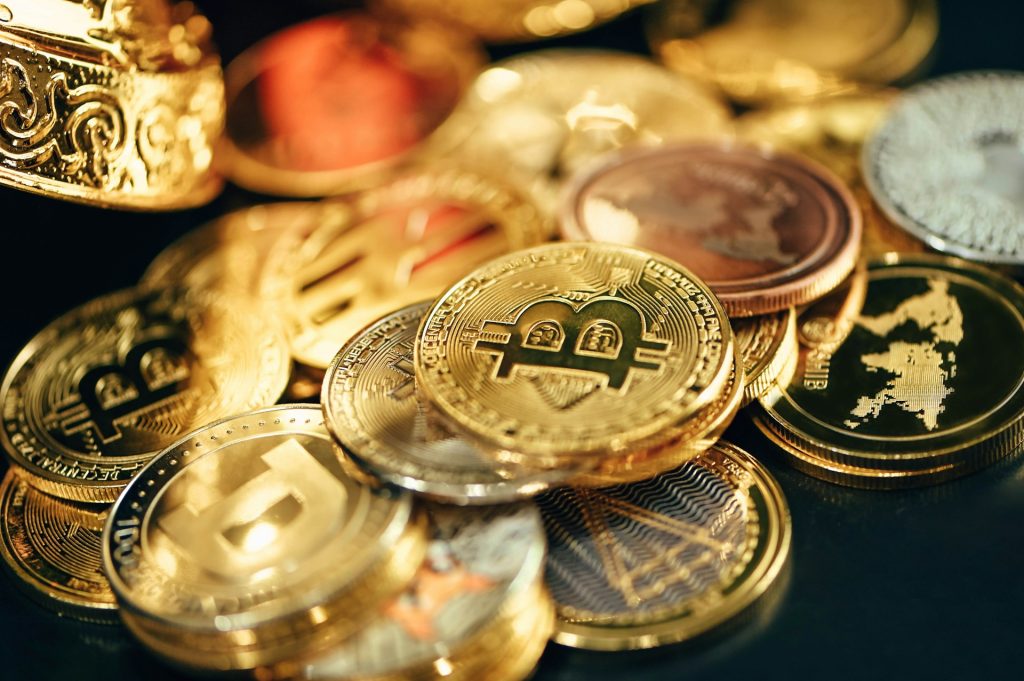
Stablecoins are becoming part of that shift. Unlike cryptocurrencies whose prices fluctuate considerably, these digital assets are typically pegged to currencies such as the US dollar, allowing users to transfer value without the same exposure to market volatility.
Sub-Saharan Africa received approximately $101 billion in cryptocurrency value between 2025 and 2026, a 13.4% increase from the previous year, according to Chainalysis. Stablecoin remittances more than doubled year over year to $492 million, while their value through peer-to-peer channels reached $14.6 billion.
The figures point to a market where digital assets are increasingly connected to everyday financial activity, rather than being used exclusively for trading or investment.
From mobile money to tokenized assets
The opportunity extends beyond cheaper transfers. In markets where access to formal banking remains uneven, digital assets could offer alternative ways to move money, store value and connect businesses with capital.
Mobile money provides an important precedent. The World Bank’s Global Findex 2025 found that 40% of adults in Sub-Saharan Africa held a mobile money account, up from 27% in 2021. Overall account ownership in the region reached 58%.
For Prof. Fred Ogola, founder and convener of Africa Digital Assets, this experience shows how the continent can adopt financial infrastructure without necessarily following the development path of established banking markets.
“When financial infrastructure is expensive, fragmented or inaccessible, the marginal benefit of a new digital architecture can be enormous,” Ogola says.
However, the next stage will depend on whether digital assets can support productive economic activity. Ogola identifies tokenization as a particularly relevant opportunity, allowing assets, projects and economic activity to be represented digitally.
In practical terms, this could help a solar mini-grid or an agricultural cooperative raise capital from a wider pool of investors, with ownership recorded and transferred through digital infrastructure.
Regulation will determine how much of this potential becomes reality. Kenya’s virtual asset licensing framework entered full effect on November 4, 2026, while Nigeria has brought digital assets under its securities legislation. South Africa, meanwhile, has been licensing crypto asset service providers since 2023.
The challenge is to turn existing adoption into financial systems that protect consumers, establish clear ownership and provide reliable institutional oversight. Stablecoins may help reduce the cost of moving money, but their long-term relevance will depend on whether they can also improve how capital reaches businesses and communities.