


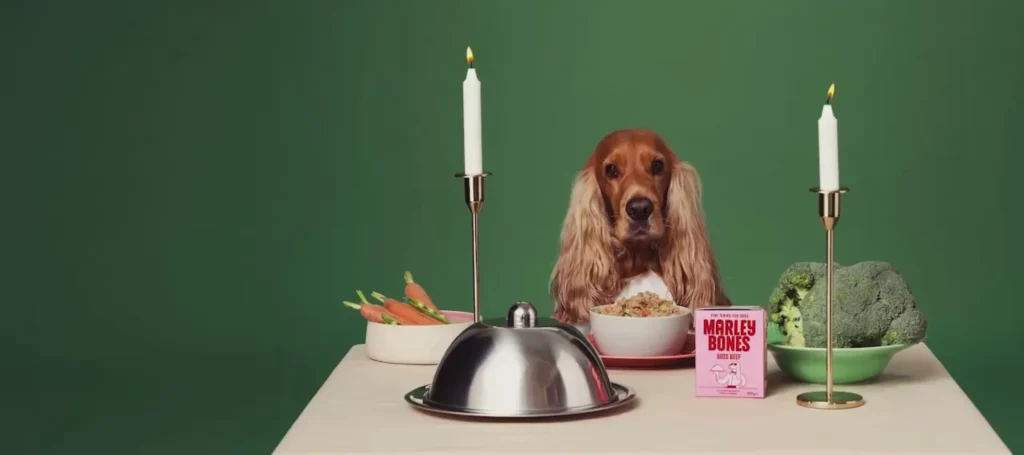
London-headquartered Marleybones, which makes shelf-stable and gently-cooked dog food, has named wheelchair tennis champion Andy Lapthorne as its first brand ambassador. It is also the first time the startup puts its logo on anyone’s kit.
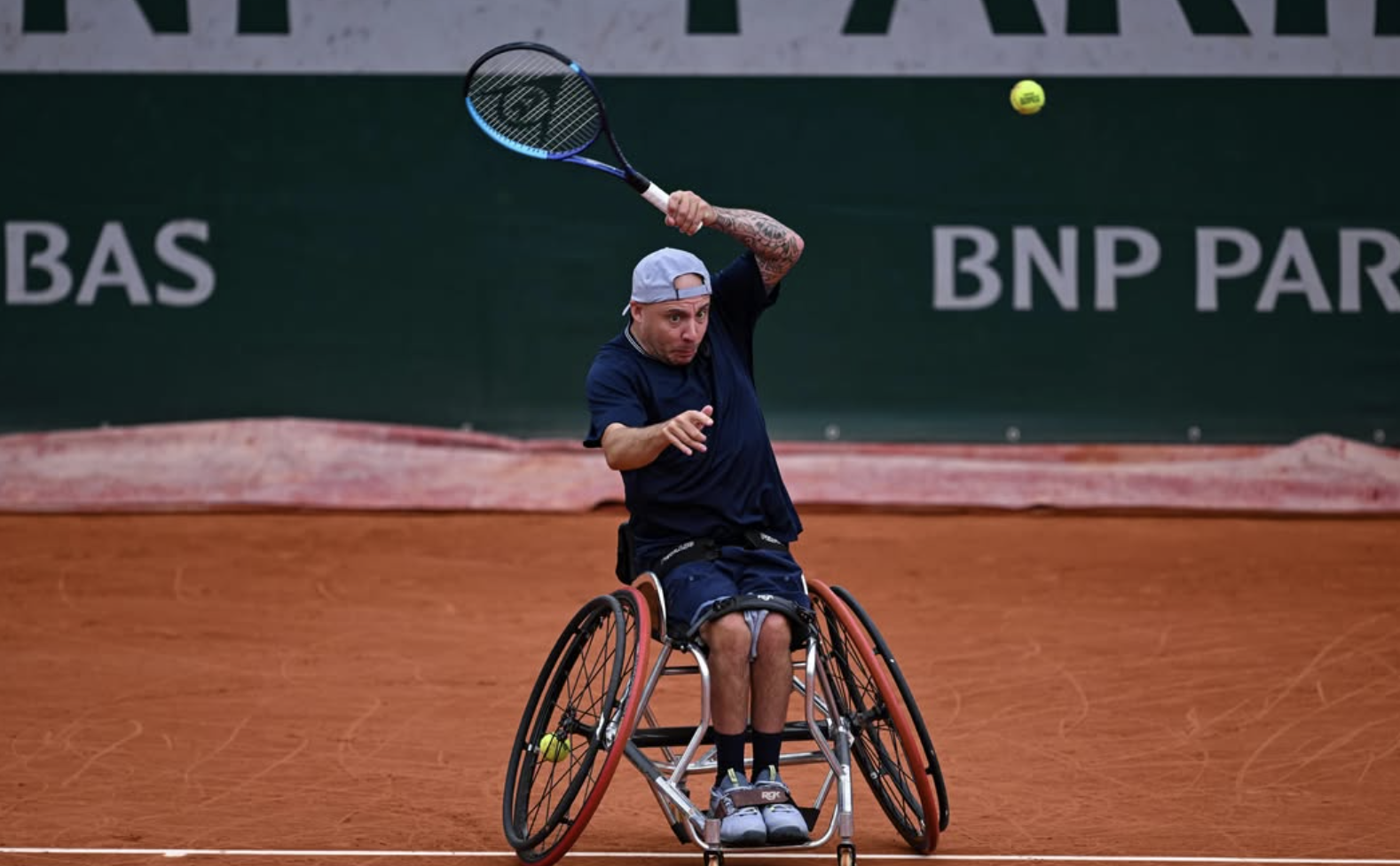
The announcement came on June 30, as Lapthorne – an 18-time Grand Slam champion and Britain’s world No.1 quad wheelchair tennis player – heads into grass court season. His kit will be carrying the Marleybones logo in a year the sport itself is treating as a milestone: 2026 marks 50 years since wheelchair tennis began in California.
In 1976, Brad Parks, paralyzed in a skiing accident, started hitting balls across a hospital parking lot with fellow patient Jeff Minnebraker. Since then, what started as rehab has become a sport played across all four Grand Slams, the Paralympic Games, the World Team Cup, and the Wheelchair Masters.
By 1998, wheelchair tennis had become the first wheelchair discipline any international sports federation fully folded into its governance structure, as per the Paralympic Committee.
The market Marleybones is fighting for
Via Marleybones Instagram
The UK pet food industry is worth roughly $8.72 billion USD in 2026, and Mordor Intelligence predicts it to grow at a compound annual rate of 4.79% through 2031 – pushed along by premiumization, more shopping happening online, and a growing share of a single-person and older households treating their pets as family.
None of that growth is spread evenly. Fresh and minimally-processed dog food is outpacing the category, and product registrations for raw and fresh pet food across Europe grew 21% between 2022 and 2024, according to the FEDIAF, the European Pet Food Industry Federation.
Investors have noticed, too. Fresh, direct-to-consumer dog food has become one of the more closely watched segments in UK food-tech funding over the past two years, as venture money chases brands built around convenience and health rather than shelf price.
Marleybones, founded by Josephine Bager and Mikala Skov in 2020, has taken its own path within that trend. Its Pantry Fresh line is shelf-stable rather than frozen, sidestepping the cold-chain logistics – and the at-home freezer space – that fresh pet food has traditionally required. Each recipe is gently cooked in-pack at an average of 89°C, a method borrowed from premium infant food production, which preserves nutrients without needing preservatives or refrigeration.
What’s more: e-commerce already makes up close to 40% of UK dog food sales, and subscription models built around automatic replenishment are becoming the standard way challenger brands reach customers.
Why the humanization trend matters
The bigger tailwind behind these pet trends is their humanization – owners holding their animals to the same standards they hold themselves to. Mars Petcare’s State of the Pet Nation survey, for instance, found 72% of UK pet owners now call themselves “pet parents”, and the shift is quietly rewriting how people shop for pet food.
Statista’s Beatriz Luz has put it plainly: owners are projecting their own health expectations onto their companion animals, which is thus fueling demand for natural, minimally-processed food – regardless of potentially higher costs.
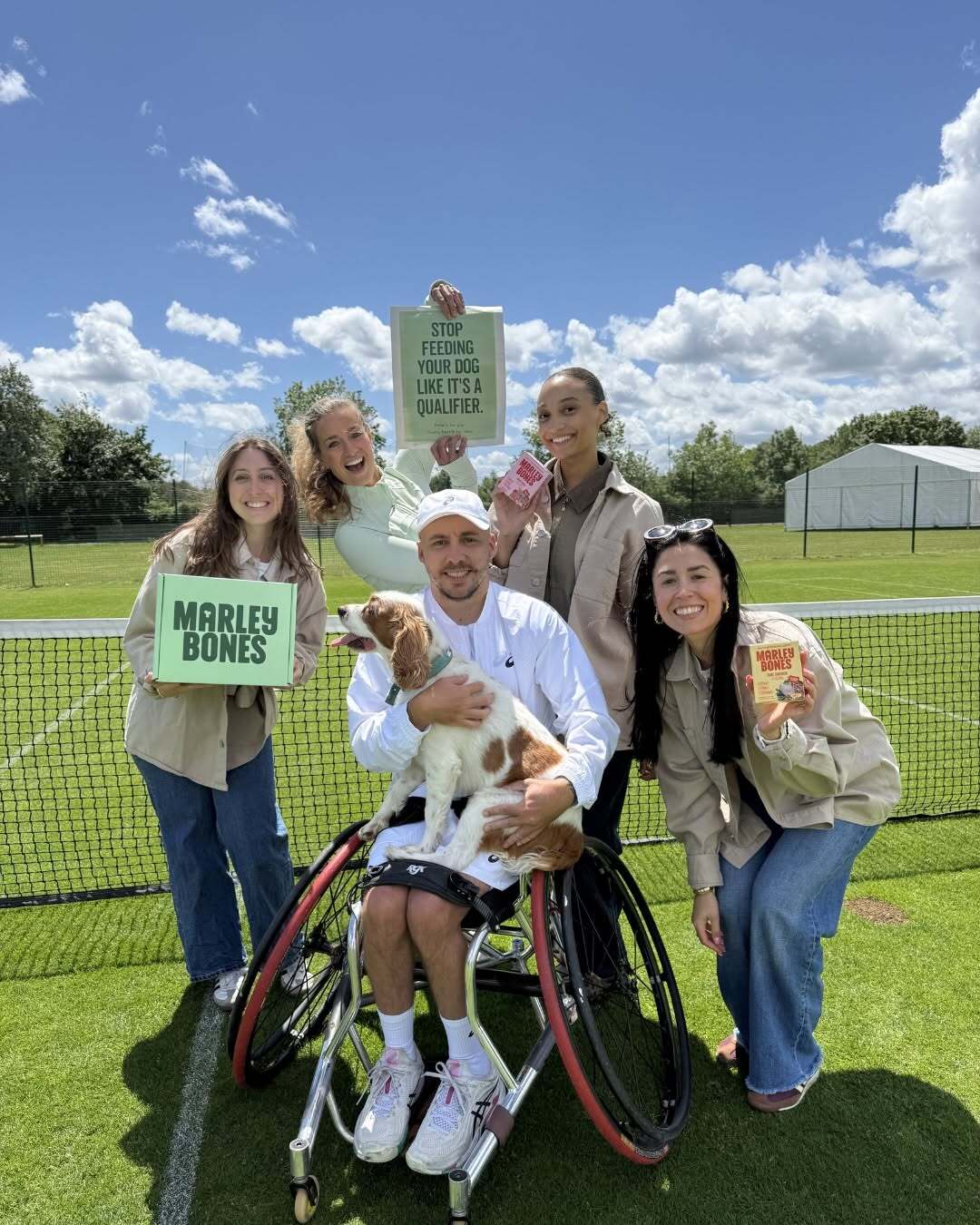
Meanwhile, Lapthorne, an athlete who manages his own diet with professional rigor, applies the same standard to his dog, Bernie, a beloved rescue adopted from Battersea Dogs Home four years ago.
“I stumbled across Marleybones on Instagram. And then got talking from there and I knew straight away that that was the way I wanted to go. I can see the difference, feel the difference. Bernie’s energy is much higher for longer,” Lapthorne stated.
There’s a less flattering sitting underneath the humanization paradigm. UK vets estimate 46% of dogs are overweight or obese, while some published studies put the figure closer to 65% of the national dog population.
According to the PDSA NGO, a UK vet-led charity for pets in need, the gap in these figures are due to owners not recognizing when their dog is carrying extra weight. Marleybones’ own January 2026 survey of 1,056 subscribers, meanwhile, reported 71% seeing better digestion and 95% of “fussy” dogs eating more willingly.
A sponsorship market that hasn’t caught up – yet
The deal lands at an interesting moment for how brands engage with disability sport. Marketing effectiveness researchers at System1 Group found that when brands commit fully to telling athletes’ stories, the return can be substantial. Channel 4’s “Meet the Superhumans” campaign, for instance, centered around the London Paralympics and drove record ticket sales.
But the same research found that para-sport sponsorship has been traditionally regarded as a secondary priority for brands, regardless of public interest climbing. That gap is closing at the very top of the market, however: Visa alone sponsored a roster of 46 Paralympic athletes for the Paris 2024 games, its largest such commitment to date.
In this sense, brands across the board are increasingly recognizing what Marleybones appears to have identified early: wheelchair tennis, in its 50th anniversary year, has the global attention, Grand Slam integration and dedicated fanbase to support exactly this kind of partnership and drive the startup’s message across broader audiences.
And, for a brand built on the idea that dogs deserve the same standard of care their owners hold for themselves, backing an athlete who applies that same discipline to his and his companion animal’s lives, transcends alignment – it is, indeed, kinship.
“We built Marleybones because of my dog, Marley – and the belief that every dog deserves better than processed food. Andy found us the same way thousands of our customers do: by simply looking for something better. As Andy would say, stop feeding your dog like they’re a qualifier. We’re proud to have him and Bernie as part of the Marleybones family,” Bager’s stated.
Featured image: Via Marleybones
Disclosure: This article mentions clients of an Espacio portfolio company.