




The European Parliament’s Transport and Tourism (TRAN) committee approved a proposal to reshape tourism across the EU, aiming to ease overcrowding in popular destinations and encourage travel to less-visited areas.
The resolution, approved on March 18, 2026, aims to curb pressure on popular destinations and spread tourists more evenly across the EU, aiming to relieve the growing strain on the local communities.
Such efforts come at a time when 80% of tourist activities within the EU are concentrated in just 20% of areas. Local communities have faced increasing gentrification – which has subsequently prompted dissatisfaction, an erosion of cultural authenticity, and stress on public services.
The shift may already be underway: Long-haul travellers are growing more intentional about how they explore Europe, gravitating toward greener transport, off-the-beaten-track destinations, and locally rooted experiences, according to a new European Travel Commission (ETC) study.
The study has found growth in responsible travel behaviours across four areas: travelling outside peak season, venturing off the beaten tourism trail, engaging with local culture while supporting locals, and making greener transport choices.
So far, there have been two framework surveys – in late 2024 and late 2025, respectively – designed to allow comparison of results over time.
Surveying 3,000 travellers across Australia, Brazil, Canada, China, Japan, and the U.S., researchers found that, when planning for upcoming trips, respondents tended to be greener, more locally-oriented, and more off-the-beaten-track than on trips they had already taken. Sustainability, however, now occupies a smaller share of public attention: the study’s media coverage analysis shows that the number of articles related to responsible tourism has shrunk.
To conduct the research, the ETC opted for three complementary methods: surveys, netnography (analysis of online discussions about travelling to Europe), and AI-assisted media analysis of travel-related articles. Compared with the 2024 baseline, all categories recorded growth.
Greener transportation, and local experiences
The greatest improvement was recorded in green travel choices; travellers reported higher reliance on public transport and trains while travelling throughout Europe. The share of respondents who said they would choose human-powered or electric vehicles increased from 13% in 2024 to 18% in 2025, while reliance on fossil fuels dropped from 35% to 30%.
Interest in local engagement also increased, reflecting growing demand for authentic local experiences – from locally-owned accommodation to deeper community ties.
Travellers, however, interpret “local” engagement differently, for which researchers underscored the need to identify which activities benefit communities the most. Sipping coffee in a Parisian café while peoplewatching, or visiting Vienna to uncover family roots, are interpreted as “cultural immersion” just as readily as attending a traditional festival or shopping at an artisan market.
“Local” is thus not perceived as distinct or optional behavior, but rather as an integral part of the travel experience. The trend is also echoed by data from Omio, a leading multi-modal traveling booking platform:
“Travel has shifted dramatically in recent years, from no travel during the Pandemic, to revenge travel, and now into a new era of intentional travel,” said Veronica Diquattro, president of B2C and supply at Omio.
“Our [annual NowNext ‘25] report reveals a new age of conscious, smart and value-driven travel.”
Off-season travel and alternative destinations
The research also points to growing interest beyond the main tourism routes. Respondents who reported interest in lesser-known locations increased from 5% in 2024 to 7% in 2025, while travellers are also increasingly open to visiting Europe outside of peak summer season.
Though the change is gradual, the index growth suggests a slow redistribution of travel away from the busiest months.
Despite these encouraging trends, however, a persistent gap remains between intentions and behaviour: 53% of respondents said they intended to travel off-season to a high extent, but only 49% reported actually doing so.
Conversely, the difference between wanting to explore lesser-known destinations and following through stands at 5%.
Barriers to sustainable travel
Closing that intention gap may partly depend on removing the practical friction that comes with going off the beaten track. For travellers heading to lesser-known destinations with less reliable Wi-Fi infrastructure or unfamiliar local networks, for instance, connectivity can be a real deterrent.
Ahmet Bahadir Ozdemir, CEO and co-founder of Airalo, the world’s largest eSIM provider, noted the company is working to address exactly that – enabling travellers to “connect like a local rather than as tourists with limited connectivity options,” through dedicated data, text, and voice packages in destinations around the world.
“While we continue raising awareness and inspiring travellers to make responsible choices, tourism stakeholders must address practical barriers — from transport planning to infrastructure — so that these intentions can translate into real change,” said Eduardo Santander, CEO of the ETC.
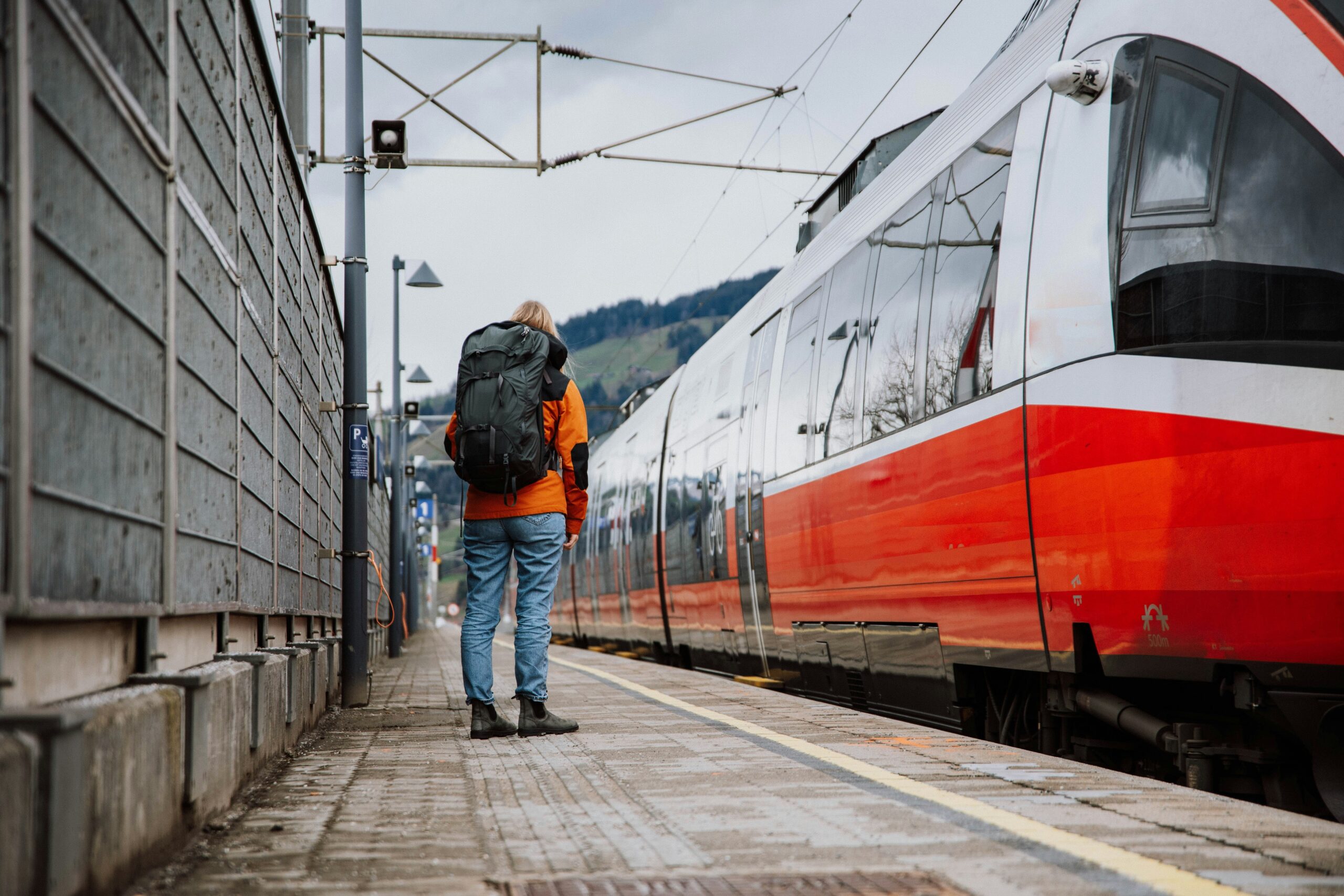
Featured image: Lala Azizli via Unsplash+
Disclosure: This article mentions clients of an Espacio portfolio company.